Conquering bad eating habits
- Quels sont vos horaires de travail (horaires de journée, atypiques, fixes de nuit) ? Vos collaborateurs ont-ils la possibilité de déjeuner/s'alimenter à des horaires réguliers ? - Avez-vous des collaborateurs itinérants (commerciaux, chauffeurs, etc.) ? - Certains de vos collaborateurs ont-ils une activité physique importante dans le cadre du travail ? - Quelles sont les options à disposition de vos collaborateurs pour s'alimenter (restauration d'entreprise, distributeurs, restaurants, fast food, supermarchés, repas cuisinés, etc.) ? Ont-ils la possibilité de chauffer leur repas et de prendre leur repas sur site ? - Vos collaborateurs font-ils des repas d'affaires (RDV clients, etc.) ?
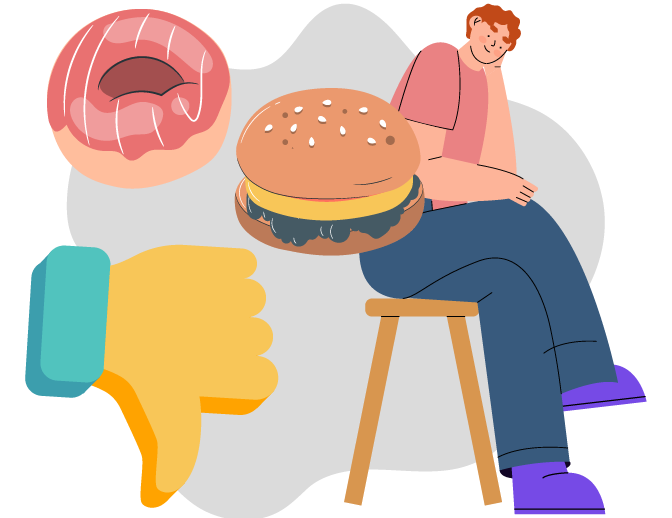
First, do no harm to yourself," said Hippocrates, the father of modern medicine. Building a healthy, balanced life often means undoing harmful behaviours. This is the case with diet. What we eat affects our physical health, our energy levels, our emotions and our cognitive abilities. The poor eating habits we develop over the course of our lives, in a context that often encourages junk food, are the source of disorders and diseases (diabetes, obesity, high blood pressure, etc.) and have a long-term negative impact on our health. Junk food, soft drinks, too much salt, eating in front of the screen, etc. What are the official recommendations, how can we identify bad eating habits and how can we combat them by replacing them with healthier routines for our overall wellbeing?